

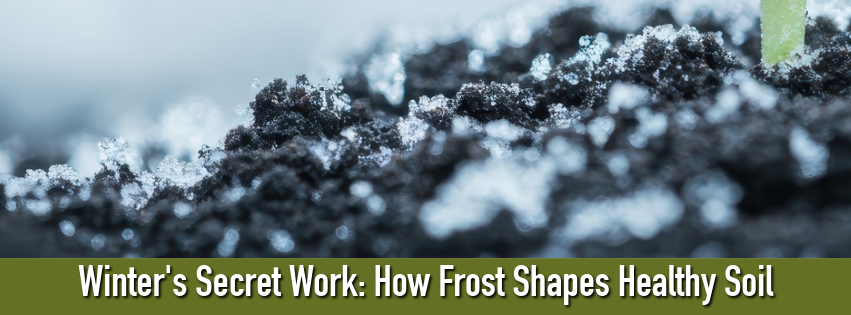
Winter plays a crucial role in the health and vitality of the soil, as it helps to restore and prepare it for the upcoming growing season. Here are some key reasons why winter is important for soil:
- Rest and Regeneration: Just as plants need a rest period, so does the soil. During the colder months, the soil “rests,” allowing microorganisms and soil organisms to regroup and thrive. This ensures they’ll be ready to aid in the decomposition process and improve soil structure when the growing season begins.
- Nutrient Cycling: As plant material dies back in winter, it decomposes and returns valuable nutrients to the soil. The slower microbial activity during winter allows these nutrients to be reintroduced gradually, enriching the soil for new plantings in spring.
- Moisture Retention: Snow and rain that fall in winter help to replenish groundwater supplies. The snow acts as a natural insulator, keeping moisture in the soil while preventing it from evaporating quickly. This is vital for the soil’s hydration, especially in dry climates.
- Soil Structure: Freezing and thawing cycles during winter can help break up compacted soil, improving its structure. When the soil freezes, it expands, and when it thaws, it contracts, helping to loosen the soil and create better conditions for root growth in the spring.
- Prevention of Erosion: With less farming activity in winter and more cover from snow and frost, the soil is less likely to erode during this time. Snow can act as a blanket, protecting the soil from wind and water erosion.
- Weed Control: Freezing temperatures can help to reduce the presence of some pests and weeds, especially if the ground remains frozen for extended periods. This reduces competition for nutrients and space in the spring.
Winter essentially allows soil to rest, recharge, and stabilize, setting the stage for healthy plant growth once the warmth of spring returns. It’s a quiet, yet essential, period in the life cycle of the land!