

Freeze–Thaw Season and Why It Matters
In the coming month or two, we’ll be experiencing frequent freeze–thaw cycles, a natural phenomenon that’s critical to the success of native plant communities.
Why Freeze–Thaw Cycles Matter for Native Plants
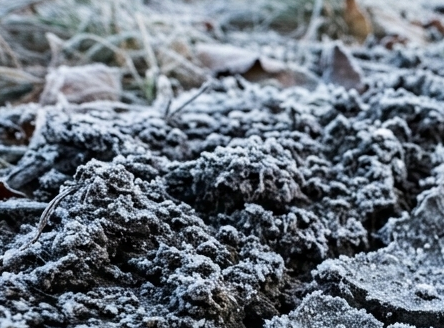
If you look closely at freshly frozen soil, you may notice the surface taking on a rough, almost stucco-like texture. As the ground freezes, it expands and shifts, creating tiny ridges, grooves, and openings.
This natural movement helps work seeds into the ground.
As the soil lifts and shifts, seeds fall into small openings and grooves. When the ground thaws, those openings close slightly, leaving the seeds just below the surface. This process protects seeds from being eaten by birds and rodents and places them in a better position to germinate when temperatures warm.
Many native species actually depend on winter conditions like this. Seeds that remain on the surface are more likely to dry out, be carried away, or be eaten before spring arrives.
Frost Heave: A Problem in Gardens, A Benefit in Nature
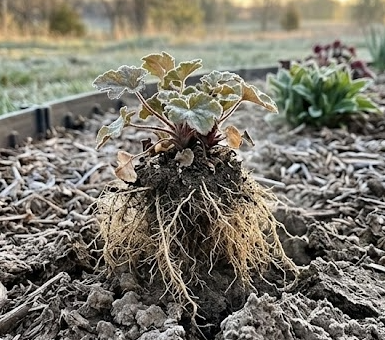
Gardeners often think of frost-heave as a problem. In landscaped areas, freeze–thaw cycles can push newly planted trees, shrubs, and perennials up out of the soil, exposing roots to cold air and drying winds.
In natural areas, however, this same process is beneficial.
Frost action loosens compacted soil, improves seed-to-soil contact, and creates the small disturbances that many native plants need in order to grow. These natural shifts help maintain plant diversity without the need for tilling or cultivation.
Preparing for Spring Below the Surface
If you’re interested in a deeper look at how freeze–thaw cycles help prepare seeds for germination, here is a great article that explains the process in more detail. It’s a good reminder that even in late winter, the next growing season is already underway beneath our feet.
Read more -> Wild Way: advanced gardening for nature by Jack Wallington