

While we spend our time pulling invasive species like bittersweet, it’s encouraging to know that every vine we remove is a lasting victory. The tangle may be daunting, but by preventing these plants from going to seed, each one pulled permanently reduces their numbers. This is one plant we fully intend to beat.
But some plants can’t be beat – and that’s often a good thing.  Some species are so ancient and have endured so much that they’ll probably easily survive humanity – and maybe even come out stronger for it.
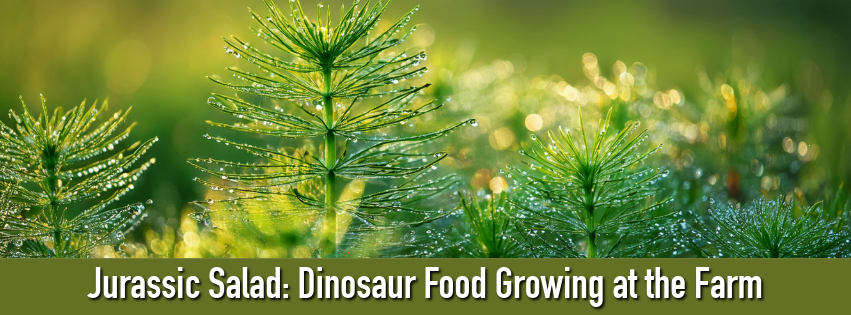
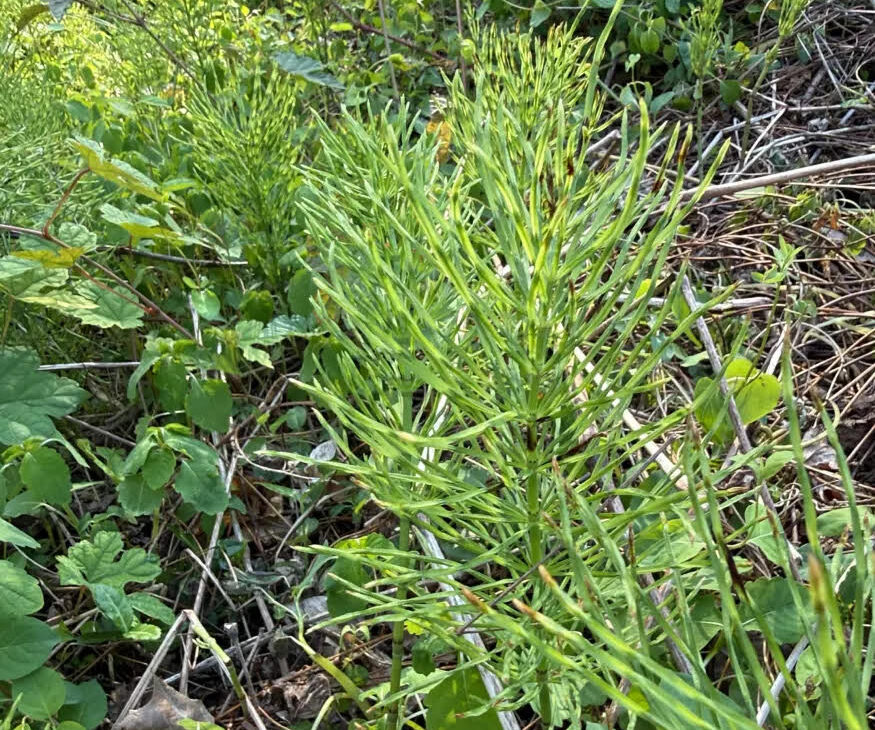
GHF is home to a population of Field Horsetail, Equisetum arvense.
It’s a surviving member of a plant lineage that’s absolutely ancient rather beyond reckoning.
Just for reference…
– gingko trees are 270 million years old
– sycamore is 80 million years old
– oak, maple, those are ~65
– asters, legumes ~60 million
– bamboo and grasses ~55 million

Field Horsetail’s lineage is 330 million years old.  And it’s native not just to North America, but to Asia and Europe as well.  How can that be?  For that answer we need to think about what the planet looked like 330 million years ago..
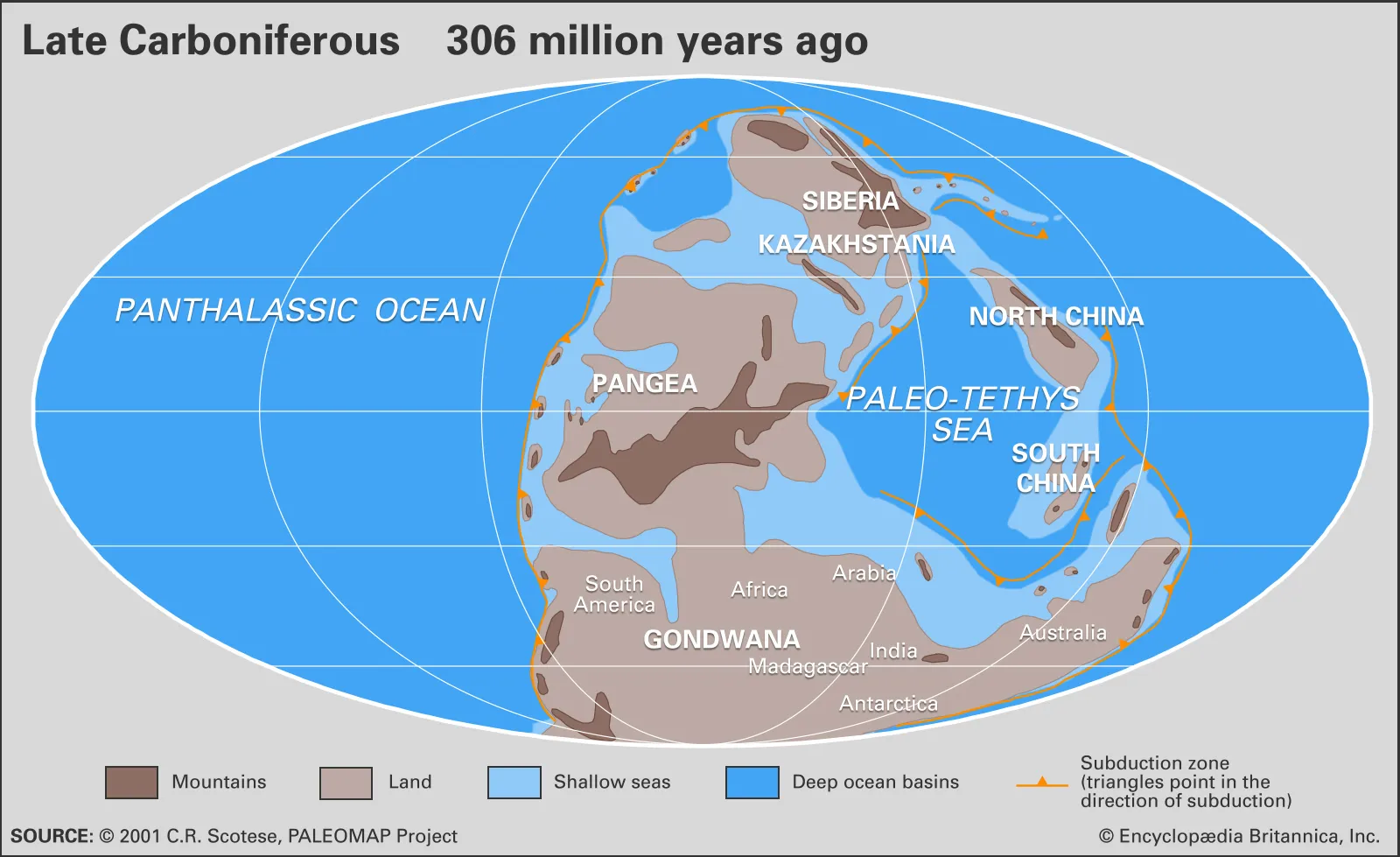
With just one main land mass and a super-hot and swampy biosphere, these plants spread everywhere, even at the south pole.  Antarctica is full of fossils of this plant’s genus and it’s a component of coal.
Equisetum is incredibly tough. It survived three global mass-extinction events (including one that wiped out 90% of plant lineages).  And it survived dinosaurs evolving into being and relying on it as food.  Global supervolcano cataclysms, the comet that wiped out the dinosaurs, ice ages, this plant hung in there despite the odds.

Equisetum is found in a large colony at the spring seep alongside the south side of the Soil and Stars building, go check it out sometime.  Go ahead and pick one, after all it’s been through you can’t hurt it.  You’ll feel a strange texture unlike any other plant as it’s full of silica, a cheap low-energy substitute for a woody stem.  The silica made it a useful tool for Native Americans and later on European settlers that called it ‘scouring rush’, helpful in cleaning their tools and cookware.

You’ll notice no leaves, no flowers,and no seeds because those things hadn’t been invented yet.  Just primitive spores like a fern.

Lastly, look at one of the tall cottonwood trees there at the spot above you.  That’s how tall this plant’s ancestors grew long ago, towering endless forests of horsetail “trees” that spanned much of the planet.  The giants didn’t last but the small ones that now call Gorman Farm home, did.