

🌻 Introducing Seed to Seed: The Bloom Bulletin Field Journal.
When most people think about our Sunflower Festival, they picture thousands of bright yellow blooms stretching across the field.
But every sunflower has a story, and it begins long before the first flower opens.
This year, we’re inviting you behind the scenes with Seed to Seed: our season-long journey following the life of our sunflower field. Through The Bloom Bulletin, we’ll share updates from planting tiny seeds in the summer to welcoming thousands of visitors in the fall, so you can watch the field transform right alongside us.
It All Starts Before the Sunflowers
Believe it or not, preparing for this year’s sunflower field actually began last fall.
After last year’s season wrapped up, we planted a winter cover crop mix of rye, hairy vetch, and winter peas. While those plants may not look like much, they play an important role in keeping our soil healthy.
Hairy vetch and winter peas are legumes, which means they naturally add nitrogen back into the soil. Think of nitrogen as one of the nutrients sunflowers need to grow strong and healthy. Throughout the winter and spring, these cover crops protect the soil from erosion, improve soil structure, and quietly prepare the field for the season ahead.
Earlier this summer, we harvested that cover crop, saved the seed to plant again in the future, and incorporated the remaining plant material back into the soil. Instead of reaching for a herbicide, we let the first flush of weeds sprout naturally before cultivating the field one more time to create the perfect seedbed.
Healthy soil is one of the most important ingredients in growing healthy plants, and every sunflower begins with the care we put into the ground.
Planting Day Has Arrived!
The first round of sunflower seeds went into the ground a couple of weeks ago, officially kicking off this year’s growing season!
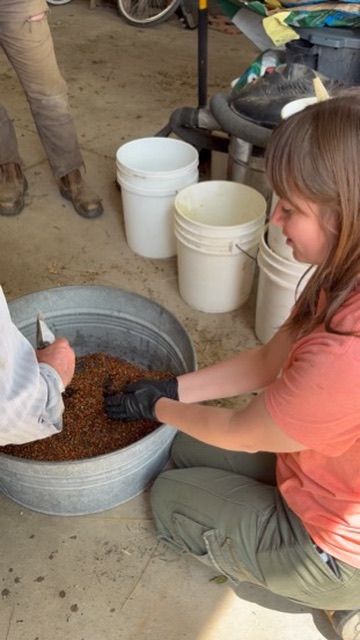
Before planting, our team mixed the sunflower seed with the companion crops that will grow alongside it throughout the summer.
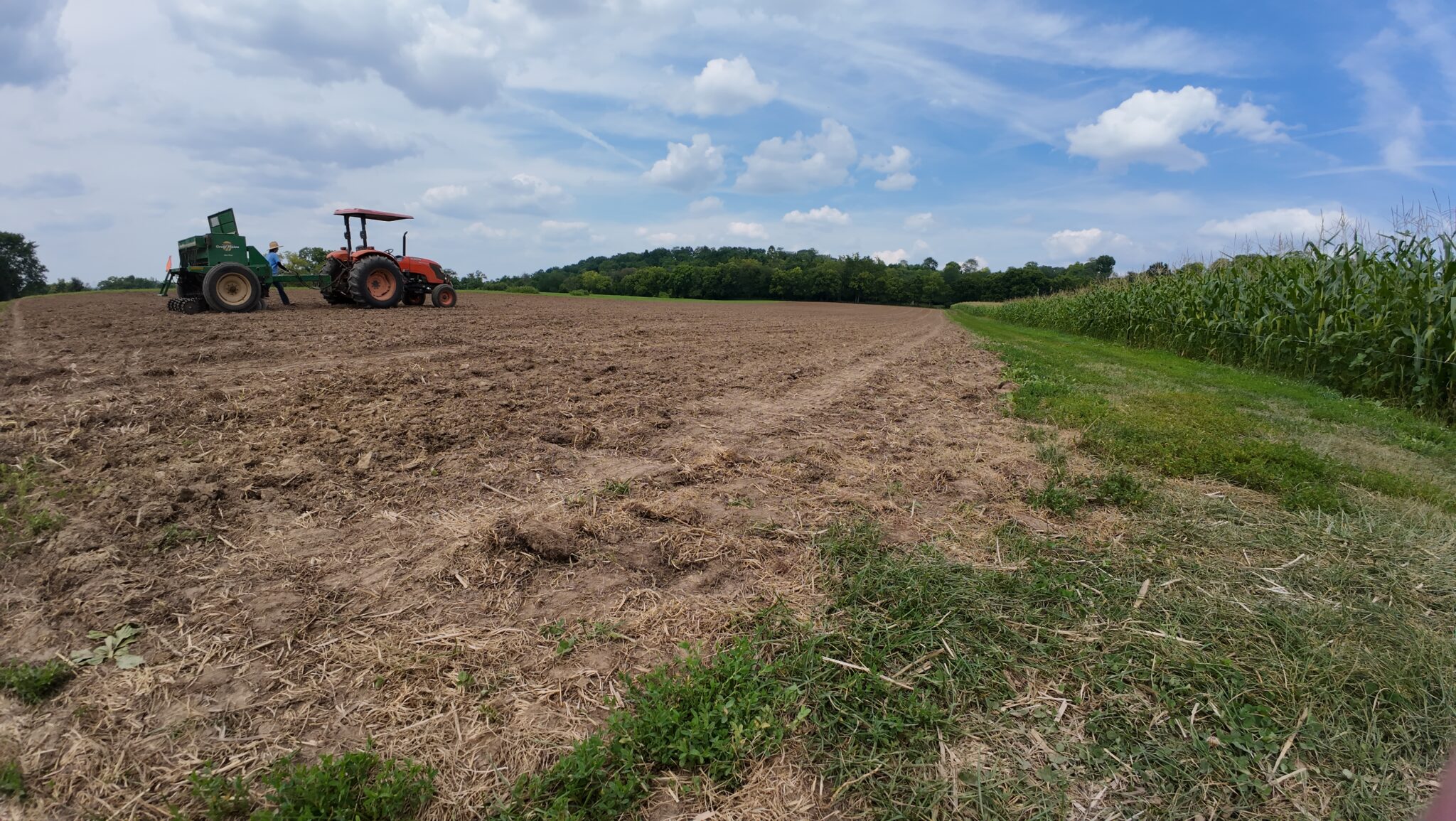
Using our seed drill, we planted the field in neat 7½-inch rows, carefully placing each seed where it has the best chance to thrive.
But we weren’t planting just sunflowers.
Mixed in with the sunflower seed are cowpeas and sunn hemp, two warm-season cover crops that keep improving the soil while the sunflowers grow. They replenish nitrogen, shade the ground, suppress weeds, and help the soil hold onto moisture during the hottest days of summer.
It’s a great example of how farming often works with nature instead of against it. By planting crops that support one another, we can build healthier soil while giving our sunflowers the best possible start.
Sometimes the most important plants in the field aren’t the ones that steal the show.
Curious how it all comes together? Here’s a look at planting day in action.
Not Everyone’s Invited to the Sunflower Party
As excited as we are to see those first tiny sunflower sprouts emerge, we’re not the only ones looking forward to them.
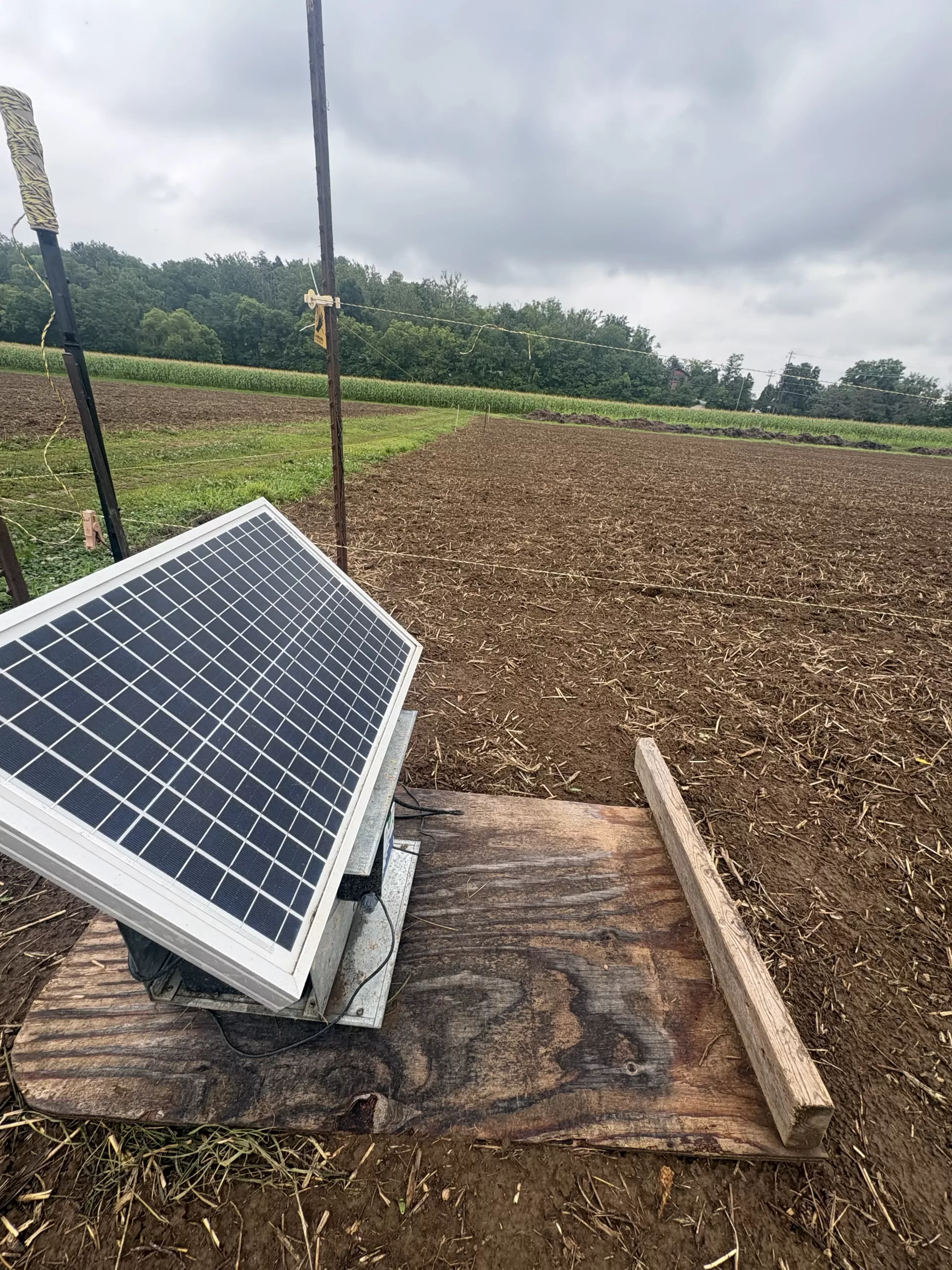
Deer absolutely love young sunflower seedlings. Without protection, a hungry herd could wipe out an entire planting in just a night or two.
That’s why we installed an electric fence around the field. It gives curious noses a quick, harmless reminder that our sunflower buffet is officially closed!
Don’t Put All Your Seeds in One Basket
One of the questions we get asked every year is, “How do you know exactly when the sunflowers will bloom?”
The short answer?
We don’t.
We can make our best estimate, but Mother Nature always gets the final say.
Under ideal conditions, sunflowers bloom about 65 days after planting, but heat, rain, and cooler weather can all change the timeline.
To give ourselves the best chance of having beautiful blooms for the festival, we usually do two or three staggered plantings throughout the summer. If one planting blooms a little early or late, the others help fill in the gap.
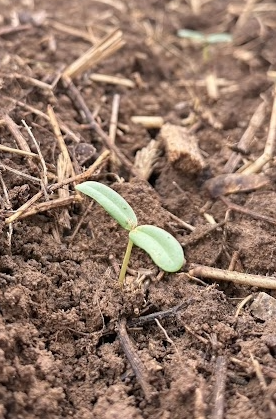
One of this year’s staggered plantings taking shape.
Follow Along All Season
This is just the beginning.
Over the coming weeks, we’ll bring you behind the scenes as the first sprouts emerge, the plants race toward the sky, pollinators arrive, flower buds begin to form, and finally the field bursts into bloom.
By the time the Sunflower Festival arrives this fall, we hope you’ll see more than just beautiful blooms. You’ll know the story behind every flower you see.
Thanks for joining us on this journey from Seed to Seed. We’ll see you in the next Bloom Bulletin!
Want to See It All in Action?
Reading about the process is one thing. Seeing it happen is even better!
Join our crop expert, Amanda, as she takes you behind the scenes of sunflower planting. She’ll show you how our seed drill works, explain why we plant the way we do, and share how all of these small steps help create the sea of sunflowers you’ll see this fall.
Watch the video below, then come back in a couple of weeks for the next edition of The Bloom Bulletin. We can’t wait to watch this field grow with you!
Every sunflower has a story. This is only chapter one.