

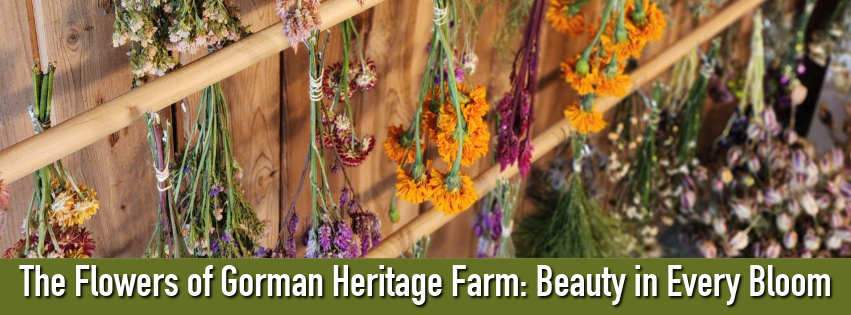
At Gorman Heritage Farm, we believe that every flower tells a story—one nurtured by the soil, the sun, and the devoted hands of our incredible gardening team. Our gardeners pour their heart, soul, blood, sweat, and sometimes even tears into growing a stunning masterpiece of blooms that fills the farm with vibrant colors and natural beauty. But these flowers aren’t just about looks. They serve a purpose that stretches beyond the garden beds, touching the lives of our visitors, local pollinators, and the earth itself.
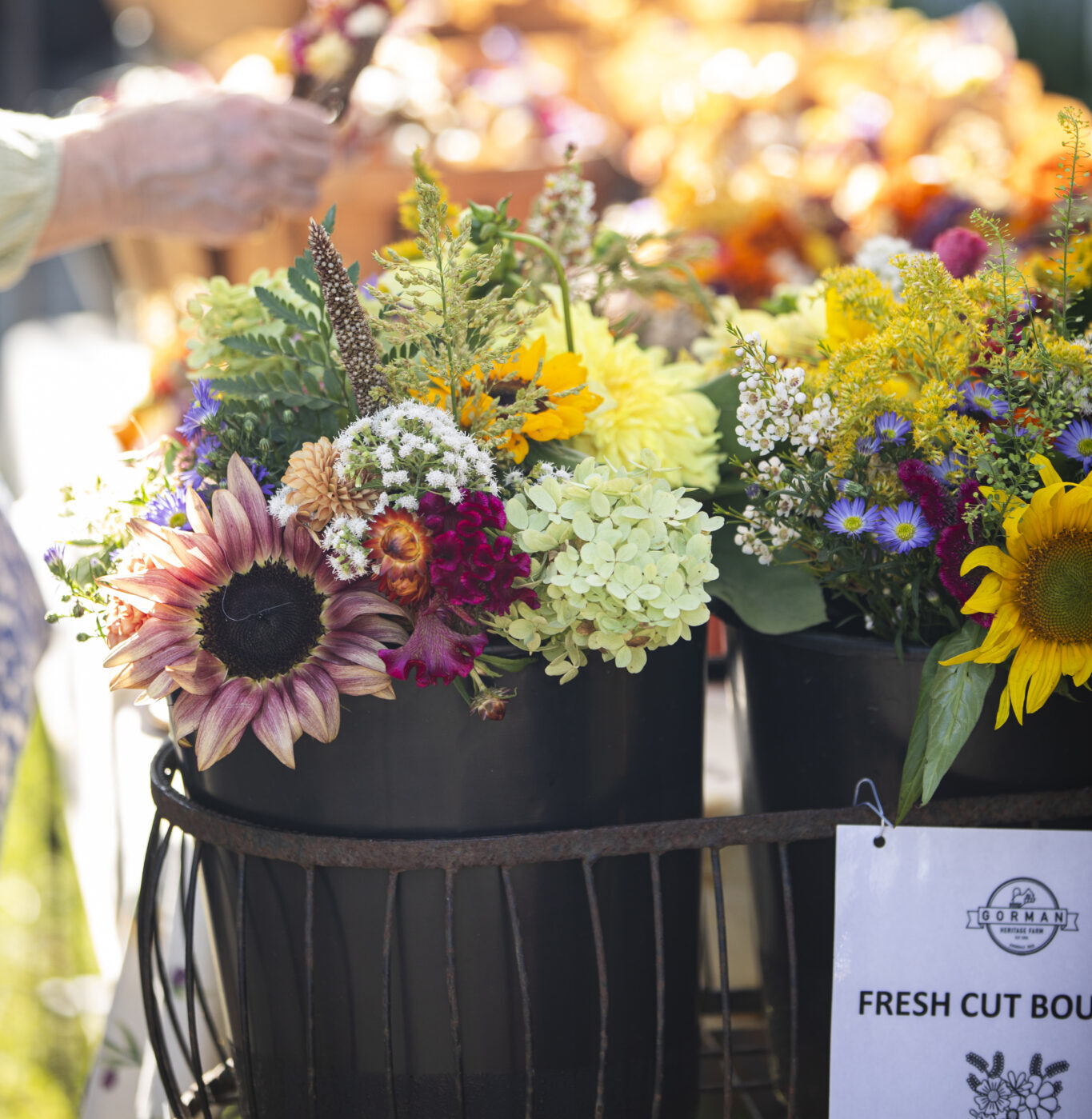
From delicate daisies to towering sunflowers, each bloom is grown with sustainability in mind. Whether they’re cut for fresh bouquets, shared with our cutting garden subscription members, or used to brighten up our events, our flowers are a testament to what can be achieved when we work in harmony with nature.
Why Local Flowers Matter: The Benefits of Choosing Blooms from Your Own Backyard
When you buy flowers from Gorman Heritage Farm or any local grower, you’re making a choice that goes beyond beauty—you’re supporting a more sustainable and eco-friendly way of bringing nature into your home. Many people don’t realize that the majority of flowers sold at florists are imported, often traveling thousands of miles before reaching your vase. This comes with a hidden environmental cost.
Why Drying Flowers Matters to Us
Not only do we grow flowers for bouquets and pollinators, but some are hung to dry and preserved for arrangements long after the summer bloom has faded. Dried flowers are experiencing a revival, and it’s not hard to see why. They bring a timeless elegance to a space and, with proper care, last far longer than fresh bouquets. Plus, they’re a sustainable choice for those wanting to decorate in a more eco-conscious way. When you hang a bunch of dried blooms in your home, you’re bringing in a bit of history, as people have been drying flowers for centuries, preserving both the beauty and the memories tied to them.
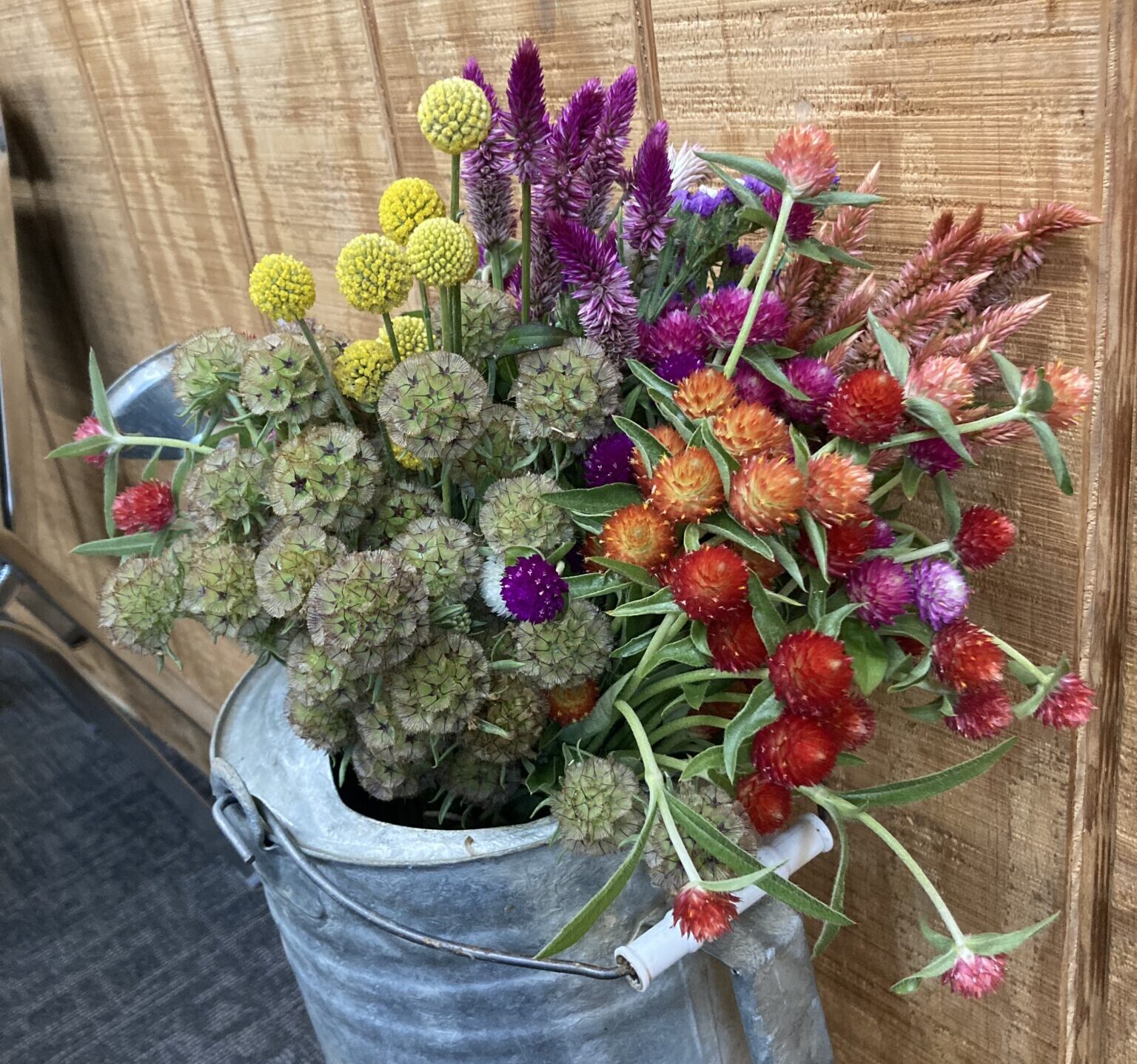
At Gorman Heritage Farm, we’re all about sustainable practices that celebrate nature’s gifts. By drying flowers, you not only capture a piece of the farm to enjoy year-round, but you also reduce waste. Instead of letting those beautiful blooms fade away, drying gives them a second life.
So next time you visit the farm, grab a bouquet, and try your hand at drying. It’s a simple and rewarding way to connect with nature while bringing beauty into your home for months to come.
The Flowers That Keep Giving
Whether you’re picking up a bouquet for a loved one, subscribing to our cutting garden, or just wandering through our flower fields, know that these flowers are so much more than their petals. They’re part of a larger story of sustainability, community, and care. Our flowers are a living reminder of the impact we can have when we work with the earth, and they help us achieve our mission one bloom at a time.
So next time you visit the farm, take a moment to stop and smell the flowers. They’re not just here to brighten your day—they’re a reflection of the heart and soul of Gorman Heritage Farm, nurtured with care, grown with love, and shared with purpose.
From Fresh to Forever: Your DIY Flower Drying Guide
There’s something magical about dried flowers. They capture the beauty and memories of the blooming season and extend it through the year, adding a rustic elegance to your home. At Gorman Heritage Farm, we’re passionate about sustainable growing practices, and drying flowers is one of the best ways to keep nature’s beauty alive while also being environmentally friendly. Plus, drying flowers is surprisingly easy!
In this guide, we’ll walk you through simple steps to dry your favorite flowers, so you can preserve the blooms from your visit to our farm, your garden, or a bouquet you love.
Why Dry Flowers?
Dried flowers are making a comeback for good reason. Not only are they long-lasting, but they’re also a great way to bring nature into your home without needing constant upkeep. Whether you’re decorating with dried bouquets, making wreaths, or using them in DIY crafts, they offer endless possibilities.
Here’s how you can get started.
While almost any flower can be dried, some varieties work better than others. The best candidates for drying are flowers that hold their shape and color well. At Gorman Heritage Farm, some of our favorite blooms for drying include:
- Lavender – Known for its lovely scent and long-lasting purple color.
- Roses – Classic for drying, these hold their shape and look stunning.
- Sunflowers – For a rustic and bold dried look.
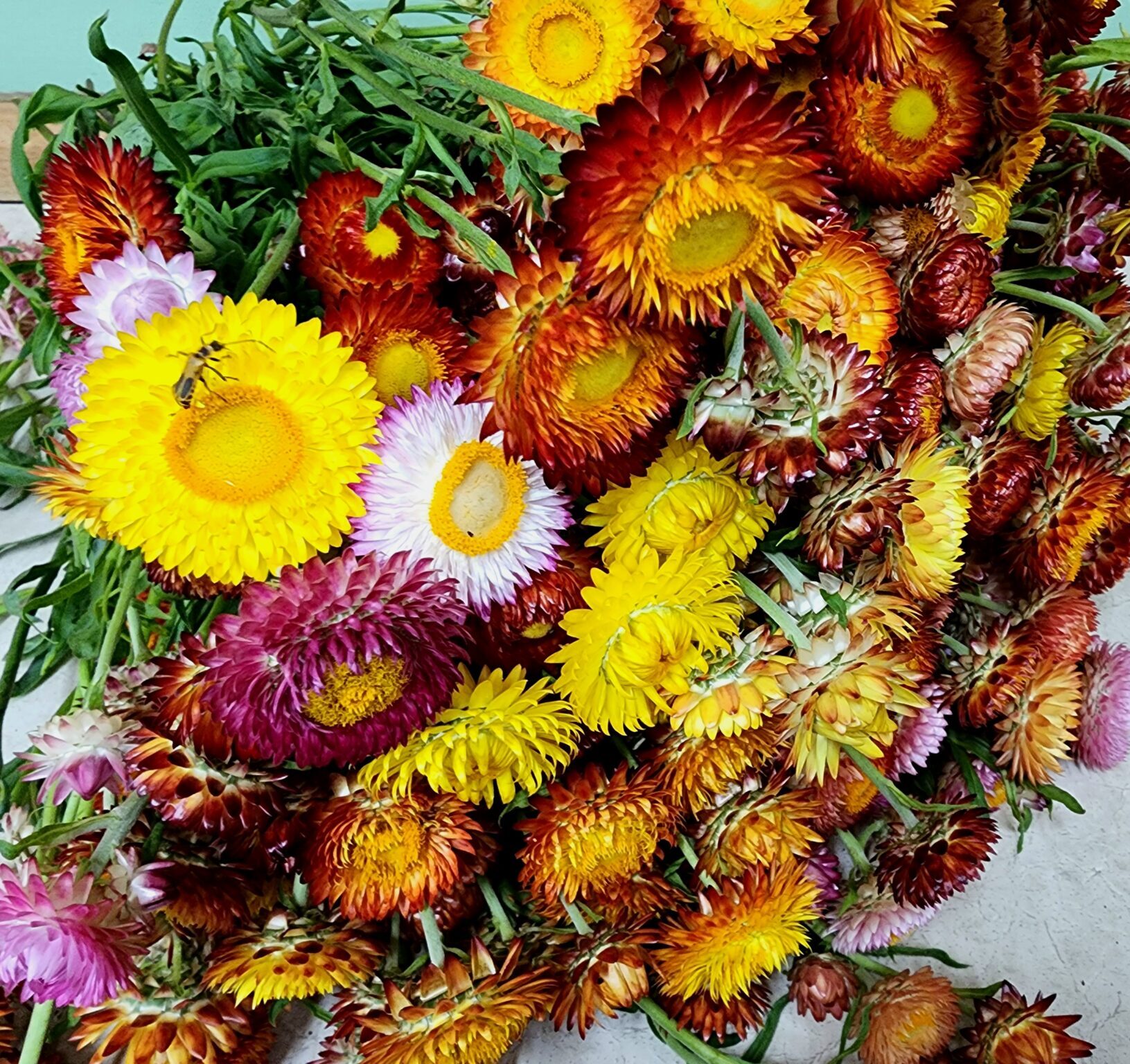
- Strawflowers – These already have a papery texture, making them ideal for drying.
- Hydrangeas – They fade to soft vintage hues when dried.
- Statice and Baby’s Breath – These delicate filler flowers add texture to dried arrangements.
Be sure to choose flowers that are freshly bloomed and free of blemishes or damage. The fresher the flowers, the better they will look once dried.
Once you’ve picked your flowers, remove any leaves from the stems. Leaves can retain moisture and cause the flowers to dry unevenly or mold, so it’s best to strip them away.
Next, gather your flowers into small bunches of about 3-5 stems. This will ensure they dry thoroughly and won’t become too crowded.
The most common and simple method for drying flowers is air-drying. Here’s how:
- Tie the Stems: Use twine, string, or rubber bands to tie the stems together securely. Rubber bands are great because they will tighten as the stems shrink during the drying process.
- Find a Dry, Dark Spot: Flowers dry best in a dry, dark space with good ventilation. Attics, closets, or under a covered porch work well. Darkness helps the flowers retain their color, while a dry environment prevents mold.
- Hang Them Upside Down: Attach the bunches upside down to a hanger, hook, or clothesline. Hanging upside down helps the flowers retain their shape as they dry.
- Wait for Nature to Do Its Thing: Leave the flowers hanging for 2-3 weeks. When the petals feel crisp to the touch, they’re ready!
Once your flowers are fully dried, you can use them in a variety of ways. Here are some ideas:
- Bouquets: Dried bouquets make beautiful, long-lasting centerpieces. You can arrange them in vases, just as you would fresh flowers, but without the water!
- Wreaths: Create seasonal wreaths for your door or walls. Mix and match different flowers for a unique, personal touch.
- Crafts: Dried flowers can be used in homemade potpourri, wall art, or as decorations for wrapped gifts.
To keep your dried flowers looking their best, store them in a cool, dry place away from direct sunlight. This will help prevent fading or damage from moisture.
Silica beads for Faster Drying
If you’re in a hurry or want to preserve more delicate blooms, silica beads can help speed up the drying process. Simply cover your flowers in silica beads (which you can find at craft stores) and leave them for just a few days.